The Right-Sizing Resource

Welcome to the Dynamic Downsizing Blog, a resource for seniors and families considering what comes next.

Here you’ll find practical guidance on right-sizing, preparing and selling your home, decluttering, senior living options, estate and financial planning, and making a move with less stress.

Whether you’re ready to make a change or simply exploring your options, our goal is to provide helpful information so you can make informed decisions with confidence, at your pace and on your terms.

Because right-sizing isn’t just about where you live. It’s about creating the life that fits you now.

Oct. 11, 2026

Downsizing vs. Rightsizing: Choosing a Home That Fits Your Next Chapter


Downsizing vs. Right-Sizing: Choosing a Home That Fits Your Next Chapter

Does your home still fit the life you want to live?

Perhaps the upstairs bedrooms sit empty, the yard takes more time and energy than it used to, or you would rather spend your weekends visiting family than keeping up with repairs. You may be thinking about moving while wondering whether you are ready to leave a home filled with memories.

That is where rightsizing can help. It allows you to envision your next chapter and choose a home that supports it.

What Is the Difference Between Downsizing and Right-Sizing?

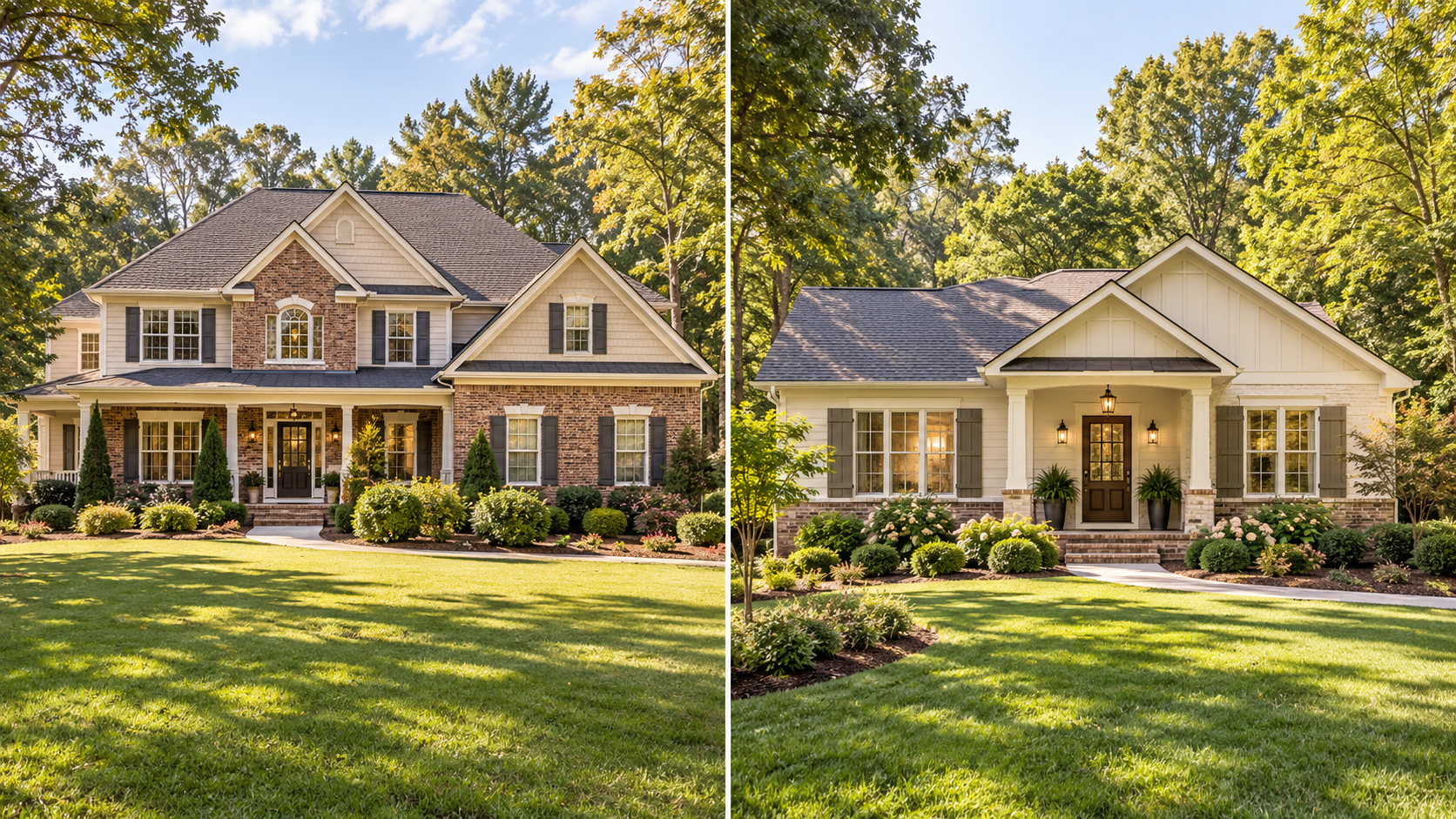
Downsizing generally means moving into a smaller home and reducing the belongings you take with you. You might move from a large family home to a ranch, condominium, apartment, or senior living community.

Right-sizing means choosing a home that suits your current needs, priorities, and future plans. Beyond size, it considers layout, upkeep, location, cost, and how you want to spend your time.

A smaller home may be the right fit. But a similar sized home with one-level living, less yard work, and a location closer to family could also make everyday life easier.

The question becomes: “What do I need from my living environment today?”

A Smaller Home Isn’t Always an Easier Home

Square footage is only part of the story.

A smaller two-story home may still have stairs that make daily routines difficult. A condominium may reduce exterior maintenance, but association fees and community rules deserve careful consideration. A ranch may offer convenient one-level living while still requiring substantial yard work.

As you explore your options, consider:

  • Layout: Can you comfortably reach the bedroom, bathroom, kitchen, and laundry?
  • Maintenance: How much cleaning, landscaping, and upkeep do you want to manage?
  • Location: How close would you like to be to family, friends, healthcare, and favorite activities?
  • Expenses: What will the full monthly cost be, including taxes, insurance, utilities, and any association fees?
  • Flexibility: Could the home accommodate changing needs over time?

Right-sizing looks at how a home works for you every day.

Making Room for What Matters

After years of raising a family, hosting holidays, and building memories, it is natural to feel attached to your home. Deciding to move can bring excitement, sadness, relief, and uncertainty sometimes all at once.

Start by thinking about what you want to carry into your next chapter.

You may want a guest bedroom for visiting grandchildren, a garden you can comfortably maintain, space for a hobby, or a welcoming kitchen where friends can gather. Identifying those priorities helps you decide what space you need and which belongings deserve a place in it.

You do not have to make every decision at once. Starting with one drawer, one closet, or one room can make the process feel more manageable.

Five Questions to Help You Find the Right Fit

1. Which parts of my home do I regularly use?

Think about where you spend your time. Are there rooms you rarely enter but still clean, heat, cool, and maintain?

2. What has become harder to manage?

Stairs, yard work, repairs, and housekeeping can affect how comfortably you live in your home. Be honest about what you would welcome help with or happily leave behind.

3. What do I want more time for?

Travel, family, friendships, volunteering, and favorite activities may have become more important than maintaining extra space.

4. What would make me feel at home somewhere new?

Identify your essentials before beginning a property search. That might include privacy, room for your dog, a home office, nearby walking paths, or space for overnight guests.

5. What would make a move feel manageable?

You may need help understanding your home’s value, comparing housing options, organizing belongings, preparing for a sale, or coordinating movers. Knowing where you need support is a useful first step.

Start Planning Before You Feel Pressured

Even if a move is a year or two away, early planning gives you time to explore possibilities at your own pace. The best time to make a big decision is when you’re in good health and with a clear head.

Before committing to a move, compare the costs of your current home with the full costs of your next option. A smaller property does not automatically mean lower expenses. Understanding the numbers helps you make a choice that supports both your lifestyle and your budget.

You Don’t Have to Do It Alone

Dynamic Downsizing is a concierge service helping seniors and their families understand their options and create a practical plan for moving forward. Whether you need help with one part of the process or the entire transition, we bring trusted professionals and resources together around your goals.

From exploring your home’s market value to coordinating preparation, organizing, moving, and selling, the process begins with listening to what matters to you.

Ready to explore what right-sizing could look like for you?

Contact Renee McCormick, REALTOR® and Senior Real Estate Specialist (SRES®), at 404-822-6939 to schedule a complimentary consultation. Whether you are ready to move or simply beginning to think about it, we can help you identify a comfortable next step.

Dynamic Downsizing — The Key to Right-Sizing Your Life.
 

Posted in Market Updates
Aug. 20, 2026

Is it Time to Downsize?

10 Signs Your Home May No Longer Fit Your Life

For many of us, home is much more than four walls and a roof.

It’s where children were raised, holidays were celebrated, friends gathered around the kitchen table, and decades of memories were made. So when someone asks, “Have you ever thought about downsizing?” it can feel like a much bigger question than simply moving to a smaller house.

But right-sizing isn’t about giving up your home or your independence. And it certainly doesn’t mean you have to move.

Sometimes it simply means taking an honest look at your home and asking:

Does my home still fit the life I want to live today—and the life I want to have in the years ahead?

Here are 10 signs it might be time to start exploring your options.

1. The Stairs Aren’t as Easy as They Used to Be

Maybe you don't think twice about the stairs most days. But carrying laundry upstairs is getting harder, you find yourself avoiding the basement, or you're beginning to wonder whether navigating multiple levels will still be practical five or ten years from now.

A home with a main-level primary bedroom, fewer stairs or single-level living may make everyday life easier while allowing you to remain independent longer.

The question isn't necessarily, “Can I manage the stairs today?”

It may be, “Will this house work well for me tomorrow?”

2. The Yard Feels More Like Work Than Enjoyment

Remember when working in the yard was something you enjoyed?

If mowing, blowing leaves, trimming shrubs, and maintaining landscaping now consumes weekends—or requires hiring more and more help—it may be worth considering whether you still want that responsibility.

A smaller yard, low-maintenance community, condo or townhome can mean less time maintaining your property and more time doing the things you actually enjoy.

3. You Have Rooms You Rarely Use

Walk through your home and think about how much of it you actually use.

Maybe there are bedrooms that haven't been slept in for years. The formal dining room only gets used at Thanksgiving. The basement is mostly storage. Entire sections of the house may sit untouched.

If you're regularly living in only a portion of your home, you may be paying to heat, cool, insure and maintain space that no longer adds much to your daily life.

A smaller home doesn't necessarily mean less living.

It can mean less house and more life.

4. Home Maintenance Keeps Growing

Roofs, HVAC systems, windows, siding, plumbing, painting, appliances—the list of things a house needs never really ends.

You may have several projects you've been meaning to tackle but haven't gotten around to yet. Individually, they may not seem overwhelming. Together, they can become expensive and exhausting.

Deferred maintenance can also affect your home's value when you eventually decide to sell.

Understanding which repairs are truly necessary, which could increase your home's value, and which you can skip can help you make better decisions before spending money.

5. Your Home Isn't as Accessible as You'd Like

Accessibility isn't just about stairs.

Think about narrow doorways, high-sided bathtubs, slippery surfaces, difficult entryways, laundry rooms on another floor and bathrooms that would be challenging to navigate with limited mobility.

Some homes can be modified beautifully for aging in place. Others may require significant renovations.

Before assuming you need to move, it can be worthwhile to compare the cost and practicality of modifying your existing home with the alternatives.

6. Maintaining the House Is Taking Money Away From Other Priorities

A larger home can come with larger expenses: utilities, insurance, property taxes, landscaping, repairs, cleaning and ongoing maintenance.

Meanwhile, you may be thinking more about travel, hobbies, helping grandchildren, retirement savings or simply having more financial breathing room.

For homeowners who have owned their property for many years, home equity may also represent a significant part of their overall financial picture.

Selling isn't automatically the best financial decision. But understanding your home's current value and what your other housing options might cost can give you important information for planning your next chapter.

7. You're Feeling More Isolated at Home

The neighborhood may have changed over the years.

Longtime friends may have moved. Family members may live farther away. Driving at night may not be as appealing as it once was.

Sometimes the issue isn't the house at all—it's connection.

Moving closer to family, friends, activities, shopping, healthcare or a more socially active community can make an enormous difference in quality of life.

And moving isn't the only solution. Cobb County, for example, offers senior centers, transportation, recreation, meals and other programs designed to help older adults remain active, connected and independent.

8. You'd Rather Spend Your Time Doing Something Else

What would you do if you weren't spending Saturday maintaining the yard?

Travel?

Volunteer?

Spend more time with grandchildren?

Take a class?

Go fishing?

Meet friends for lunch?

Do absolutely nothing—and enjoy it?

Your home should support the life you want to live, not consume all the time and energy you have available to enjoy it.

9. Your Family Has Started Asking About Your Plans

Adult children often begin the conversation because they're thinking ahead.

What happens if Mom falls?

Who will maintain the house if Dad can't?

What happens if one parent eventually needs more care?

These conversations can be uncomfortable, particularly when they feel like someone else is trying to make decisions for you.

But talking about the future doesn't mean handing over control.

In fact, planning earlier usually gives you more choices and more control over what happens next.

Families can help by researching options, organizing belongings, coordinating services and simply listening—but the goal should be to help you make decisions, not make those decisions for you.

10. You May Need More Support Than Your Current Home Provides

Sometimes right-sizing isn't about finding a smaller house at all.

It may mean exploring a 55+ community, independent living, assisted living, moving closer to family or another living arrangement that provides additional support.

The idea of moving into a senior community can bring up a lot of emotions and questions:

What will it cost?

What happens to my house?

What will I do with everything I've accumulated?

How do I know which community is right for me?

How do I coordinate all of this?

Those are important questions—and they don't have to be answered all at once.

So...Is It Time to Move?

Maybe.

But maybe not.

Recognizing several of these signs doesn't automatically mean you should put a For Sale sign in the yard.

You may discover that modifying your existing home makes perfect sense. You might decide to stay for another five years. You may want to move to a smaller home nearby. Or you may determine that a senior living community would give you the lifestyle and support you're looking for.

The important thing is having the information you need to make that decision intentionally rather than waiting until a health issue, financial concern or family emergency makes the decision for you.

Right-Sizing Begins With Understanding Your Options

At Dynamic Downsizing, we believe your first conversation about right-sizing shouldn't begin with selling your house.

It should begin with you.

What do you want the next chapter of your life to look like? What concerns you? What would make life easier? Where would you go? What would happen to your belongings? Does your home need work? And what financial considerations should be part of the conversation?

From preparing and selling your home to organizing, decluttering, moving and connecting you with trusted legal, financial and senior-living resources, Dynamic Downsizing helps bring the pieces together.

You may need several resources.

You may need only one.

Or you may simply need someone to sit down with you and help you figure out where to begin.

One Plan. The Right Resources. Your Pace.

Dynamic Downsizing — The Key to Right-Sizing Your Life

Serving seniors and families throughout Cobb County, Cherokee County and surrounding North Metro Atlanta communities.

Ready to explore your options?
Schedule a complimentary, no-pressure Dynamic Downsizing consultation. You don't have to decide to move. Sometimes the best first step is simply understanding what's possible.

Posted in Downsizing